GoogleTV
Redesign Google TV for deep understanding on Material 3 Expressive Design
01. The Context
The Challenge
The modern entertainment landscape is highly fragmented, leaving users challenged to efficiently discover, access, and manage their desired content across a multitude of streaming services, live TV channels, and personal media libraries. This leads to a disjointed viewing experience, content discovery fatigue, and missed opportunities to engage with relevant entertainment.
Business Goal
Consolidate and simplify the user journey for discovering and accessing entertainment across all integrated streaming services, live TV, and personal media libraries, thereby reducing user effort and content discovery fatigue.
User Goal
Efficiently discover content across all services.
Seamlessly access desired entertainment.
Effectively manage personal media and subscriptions.
Experience a unified, cohesive viewing journey.
Engage with personalized and relevant recommendations.
02. Execution
Design Process
User-centric, iterative approach to tackle content fragmentation: Discovery & Research (user interviews, surveys, competitive analysis) -> Define (problem statements, design goals) -> Ideation & Prototyping (wireframes, prototypes) -> User Testing & Validation (usability studies) -> Implementation & Monitoring (continuous optimization).
Methods
In-depth analysis.
Target Users
In-depth analysis.
Key Insights
Our user research revealed significant pain points stemming from content fragmentation. Users consistently struggle with efficiently discovering, accessing, and managing desired content across the myriad of streaming services, live TV, and personal media libraries. This fragmentation leads to a disjointed viewing experience, significant content discovery fatigue, and a demonstrable sense of missing out on relevant entertainment. These challenges collectively underscore a critical need for a unified and intuitive content aggregation solution.
03. Iteration
Wireframes & Workflows
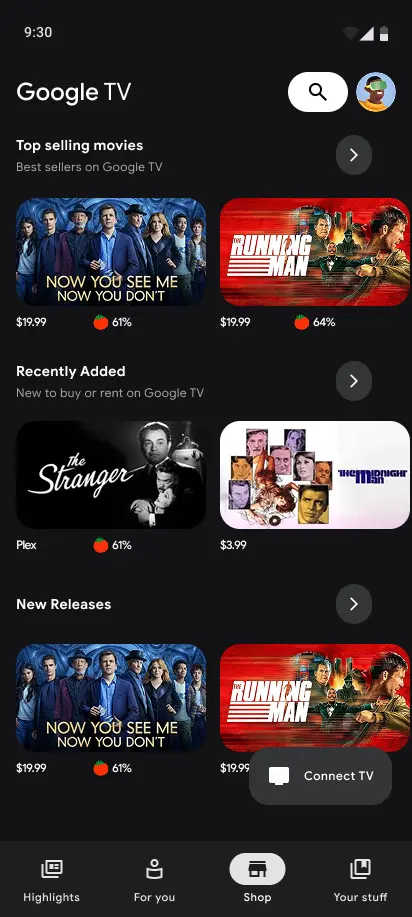
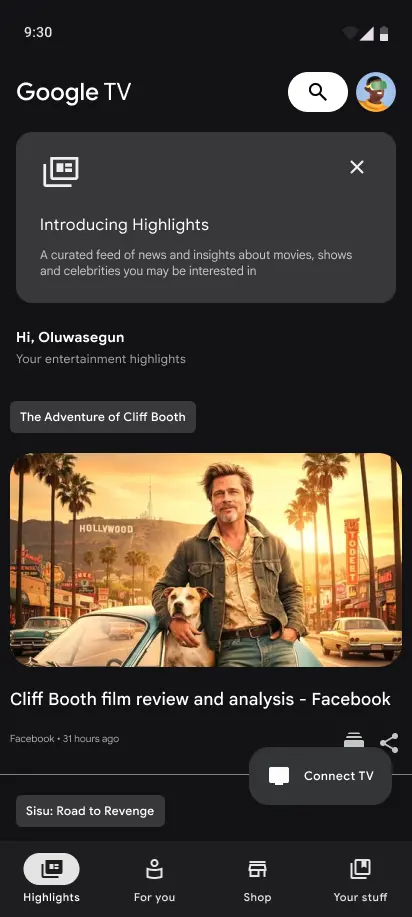
Process Stage
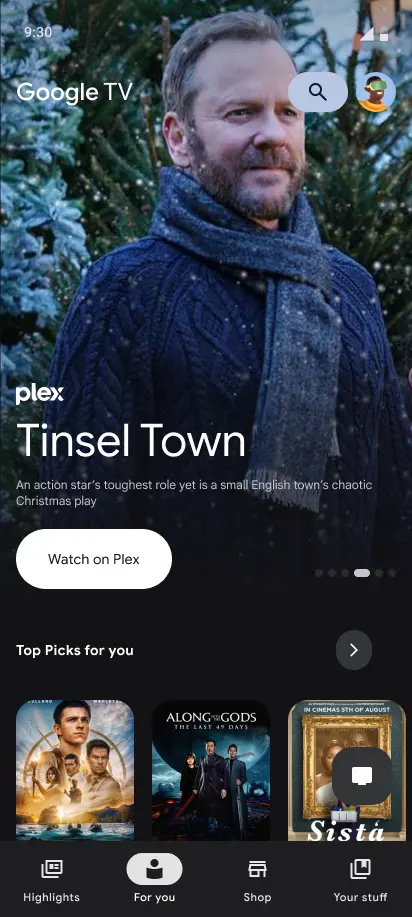
Personalised Screen
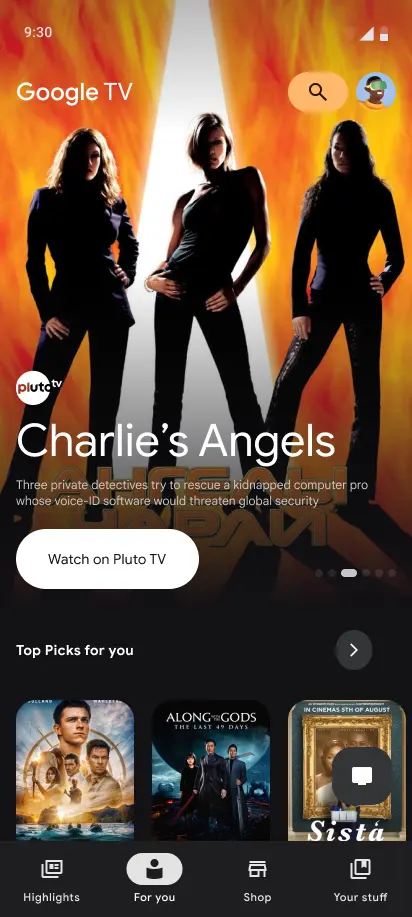
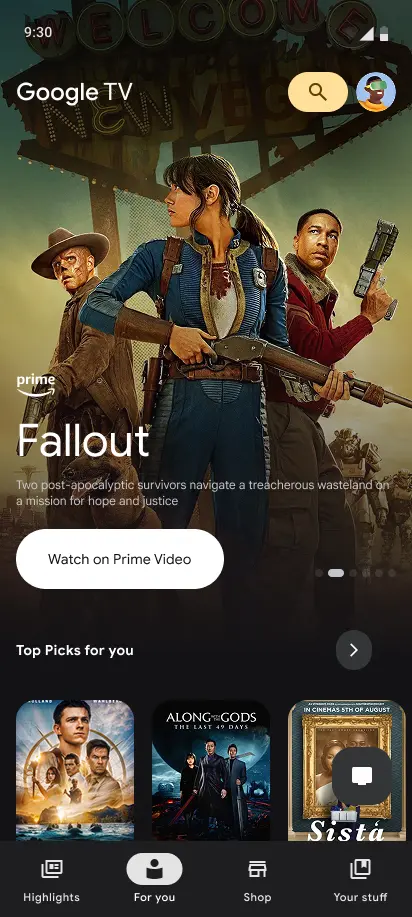
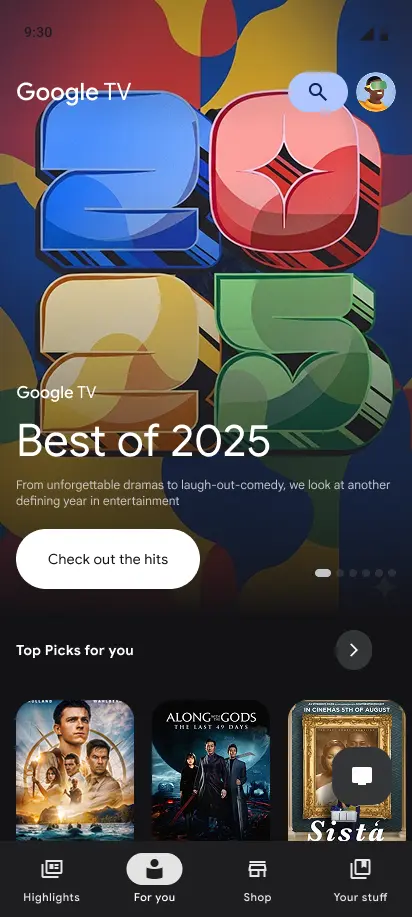
The Fix
Solution Summary
Google TV unifies fragmented entertainment by consolidating streaming services, live TV, and personal media into a single, intuitive interface. This empowers users to effortlessly discover, access, and manage content, eliminating discovery fatigue and delivering a cohesive, personalized viewing experience.
05. Conclusion
The Impact
Through a user-centric design approach, the Google TV project successfully mitigated content fragmentation, significantly enhancing discoverability and streamlining access across a multitude of entertainment sources. This resulted in a more cohesive and engaging viewing experience for users, substantially reducing discovery fatigue.
The project concludes with the successful delivery of a unified entertainment platform that addresses core user pain points. The iterative design process has established a robust framework for continuous optimization and future innovation, ensuring Google TV remains at the forefront of personalized and efficient content consumption.
Learnings
Successfully addressed the significant challenge of content fragmentation, delivering a unified and intuitive entertainment experience.
Validated the power of a user-centric, iterative design approach in transforming complex user pain points into seamless product solutions.
Demonstrated advanced proficiency in orchestrating comprehensive design phases, from initial discovery and research through to continuous optimization, for a large-scale platform.